
Pet food packaging is no longer just about looking attractive on the shelf.
For overseas pet food brands, packaging has become part of the product experience. It needs to protect freshness, support logistics, explain product trust, improve daily use, and help the brand win repeat purchase.
In the past, many pet food packages worked like shelf posters: large pet photos, bright flavor colors, bold nutrition claims, and emotional brand messaging. These elements are still useful, but they are no longer enough.
Today’s consumers care about a more practical set of questions:
Can the package keep dry food away from moisture?
Will the pouch or container leak during delivery?
Can fresh pet food stay clean and safe in the refrigerator?
Can users reseal the package after opening?
Can a QR code show real ingredient information or batch traceability?
Can premium packaging make the product feel truly trustworthy?
That is why pet food packaging is moving from a “pre-purchase visual tool” to a “post-purchase usage system.”
For B2B buyers, this shift creates new packaging opportunities across flexible bags, folding cartons, food-grade plastic containers, plastic jars, plastic buckets, tamper-evident pails, and logistics packaging. At JM Packaging, we support food, chemical, and logistics buyers with one-stop packaging solutions, including plastic buckets and pails, plastic food containers, plastic jars and bottles, paper and carton packaging, and logistics packaging.
Below are seven major packaging trends shaping overseas pet food markets in 2026.
1. Recyclable Packaging Is Becoming More Practical and Cost-Driven
Sustainability is still important in pet food packaging, but the conversation is becoming more realistic.
Pet food is not a light-load product. Dry kibble, freeze-dried food, pet treats, toppers, wet food, and fresh pet food all require different packaging performance. A recyclable structure is valuable only when it can still protect the product through filling, sealing, transport, retail display, storage, and home use.
Petfood Industry reported that recyclable polyethylene, barrier performance, e-commerce durability, and smaller pack formats are becoming major topics in pet food packaging discussions. The same report also noted that recyclable flexible packaging is advancing, but trade-offs in barrier performance, heat resistance, stiffness, and easy opening still affect adoption.
For pet food brands, recyclable packaging should not be treated as a slogan. It must work in the real supply chain.
What This Means for Packaging Buyers
When choosing sustainable pet food packaging, buyers should evaluate:
- Barrier performance against moisture and oxygen
- Heat sealing reliability
- Drop resistance during transportation
- Shelf appearance after handling
- Compatibility with target-market recycling systems
- Cost impact for mass production
For brands using rigid packaging, reusable and durable containers can also support a practical sustainability strategy. For example, food grade plastic buckets can be used for bulk dry pet food, pet treats, freeze-dried products, powders, and food ingredients. JM Packaging’s 2 Gallon Food Grade Plastic Bucket is made for food storage, ingredient packaging, restaurant supply, and food-related applications, with options for logo printing, labeling, and bulk order packaging.
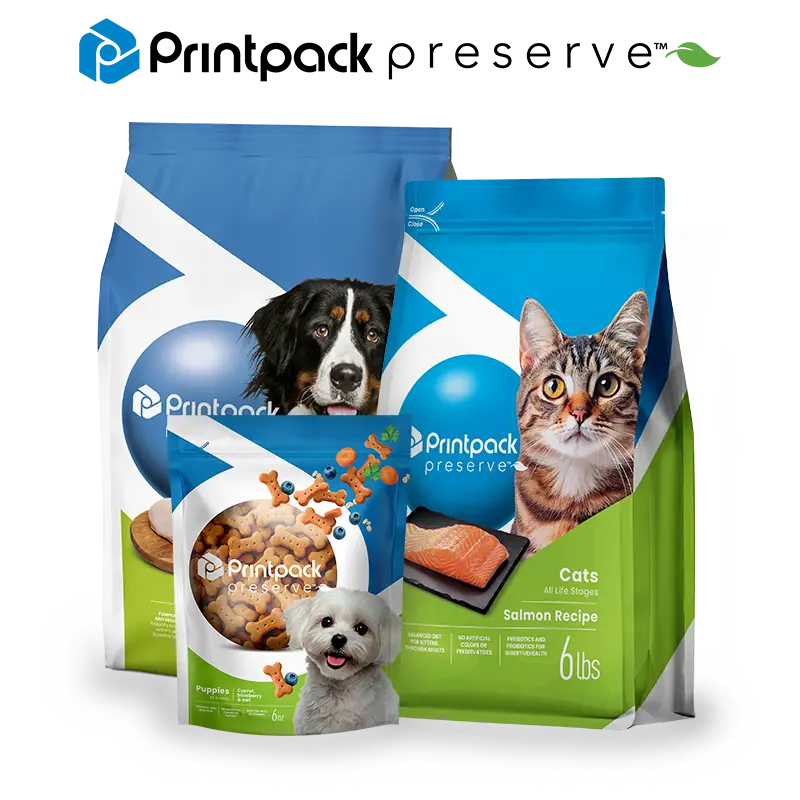
2. Fresh and Wet Pet Food Packaging Needs Stronger Food-Grade Trust
Fresh pet food is moving from niche to mainstream.
Once pet food enters the refrigerator, packaging expectations change. Consumers are no longer only asking what flavor the product is. They also want to know whether the food is fresh, clean, safe, easy to store, and easy to portion.
Fresh and wet pet food packaging must handle challenges such as:
- Higher barrier requirements
- Leak prevention
- Odor control
- Cold storage
- Freeze-thaw stability
- Portion control
- Easy opening
- Repeated refrigeration after opening
Petfood Industry highlighted that fresh pet food packaging requirements are fundamentally different from dry kibble, requiring higher barrier structures, hermetic seals, gas flushing, retortable options, and packaging that can withstand freeze-thaw cycles and repeated refrigeration.
What This Means for Packaging Buyers
For fresh pet food, wet food, bone broth toppers, sauces, and functional pet nutrition products, packaging should create a clear food-grade impression.
Brands can consider:
- Transparent or semi-transparent food containers for product visibility
- Tight-sealing lids for leak resistance
- Smaller portion containers for single feeding
- Secondary carton packaging for shelf display
- Clear labels for storage instructions
JM Packaging offers plastic food containers that can support deli-style food packaging, sauces, prepared food, pet food portions, and fresh food applications. For larger B2B filling or ingredient storage, plastic buckets and pails can help brands manage bulk storage and distribution.
The key point is simple: fresh pet food packaging should not look like traditional feed packaging. It should feel closer to safe, clean, human food packaging.
3. Small Packs and Single-Serve Formats Are Becoming Repeat-Purchase Tools
Small pet food packaging is no longer only for trial packs.
Cat treats, lickable mousse, toppers, freeze-dried snacks, wet food cups, and functional pet nutrition products are turning “one feeding occasion” into a repeatable daily habit.
Petfood Industry noted that smaller, lower-price-point pack formats are gaining attention as consumers look for lower trial risk and more flexible purchasing options. It also highlighted the growth of single-serve and lickable treat formats, especially in the cat segment.
For brands, small packaging has several advantages:
- Lower first-purchase barrier
- Better portion control
- Easier sampling
- More convenient travel use
- Multi-flavor variety packs
- Reduced waste after opening
- Stronger daily interaction between pet and owner
But small packaging also creates challenges. More SKUs, more packaging material, more sealing requirements, and more carton management can all increase complexity.
What This Means for Packaging Buyers
Small-format pet food brands need to think beyond “make it smaller.” The packaging should support the feeding occasion.
For example:
- Small cups or containers can work for wet food and toppers
- Small jars can work for supplements or freeze-dried treats
- Folding cartons can organize variety packs
- Labels should explain flavor, function, portion size, and storage clearly
JM Packaging’s plastic jars and bottles can support pet supplements, functional powders, tablets, capsules, treats, and small-volume pet nutrition products. For outer retail display or e-commerce bundles, paper and carton packaging can help create a more complete product presentation.
Small packs are not just low-cost samples. They can become high-frequency repeat-purchase units.
4. E-Commerce and DTC Are Exposing Packaging Strength Problems
Pet food is a high-pressure category for e-commerce packaging.
It can be heavy, hard, granular, oily, wet, frozen, or fragile depending on product type. During delivery, packaging may face compression, vibration, dropping, puncture, leakage, temperature changes, and repeated handling.
For direct-to-consumer pet food brands, packaging needs to pass logistics before it can deliver a good unboxing experience.
Petfood Industry reported that DTC shipping creates significantly more handling touchpoints than traditional retail and that flexible packaging may face burst risk, seal failure, and puncture resistance issues in e-commerce channels.
Packaging World’s case study on Sundays Dog Food also shows how a DTC pet food brand used a cereal-carton-style box, inner oxygen-sealed bag, and corrugated shipping box to combine product protection, brand storytelling, and subscription fulfillment.
What This Means for Packaging Buyers
Packaging development should not stop at shelf display. Brands should test:
- Drop resistance
- Compression resistance
- Seal strength
- Leakage risk
- Carton compatibility
- Palletizing performance
- Container loading
- Last-mile delivery damage rate
For export buyers, packaging should be planned as a system:
- Primary packaging — bag, jar, bottle, bucket, pail, or container
- Secondary packaging — folding carton, paper box, display box, or label
- Tertiary packaging — export carton, pallet, or logistics container
JM Packaging provides logistics packaging and complete packaging solutions for buyers who need to connect product packaging with warehousing, container shipping, and overseas distribution.
A beautiful package is not enough if it fails in delivery.
5. Pet Food Packaging Is Becoming More Human-Food-Like
Traditional pet food packaging often relies on large pet images, bright backgrounds, flavor names, and nutrition claims.
This still works for many mass-market products. But for premium kibble, wet food, fresh food, freeze-dried products, pet supplements, and functional treats, packaging is moving toward a more human food style.
Petfood Industry described premiumization and humanization as important packaging forces, with brands borrowing more cues from human consumer packaged goods, including tactile finishes, premium materials, and shelf-differentiating formats.
This shift reflects a deeper consumer behavior: many pet owners are now buying pet food in a way that is similar to how they buy food for themselves.
They want to understand:
- Where ingredients come from
- Whether the formula is clean
- Why the product is more expensive
- Whether the feeding experience is convenient
- Whether the brand feels credible
What This Means for Packaging Buyers
Premium pet food packaging should not simply “look expensive.” It should make the higher price feel reasonable.
That can be achieved through:
- Cleaner label hierarchy
- More natural color systems
- Food-style photography
- Ingredient transparency
- Functional benefit explanation
- Premium container structure
- Stronger reseal or lid design
For pet treats, functional powders, and premium supplements, plastic jars and bottles can provide a clean and professional retail format. For premium wet food, toppers, sauces, or fresh portions, plastic food containers can help build a food-grade image.
For bulk premium pet food or wholesale supply, 5L plastic buckets, 18L plastic buckets with handles, and 20L tamper-evident plastic pails can support larger distribution formats.
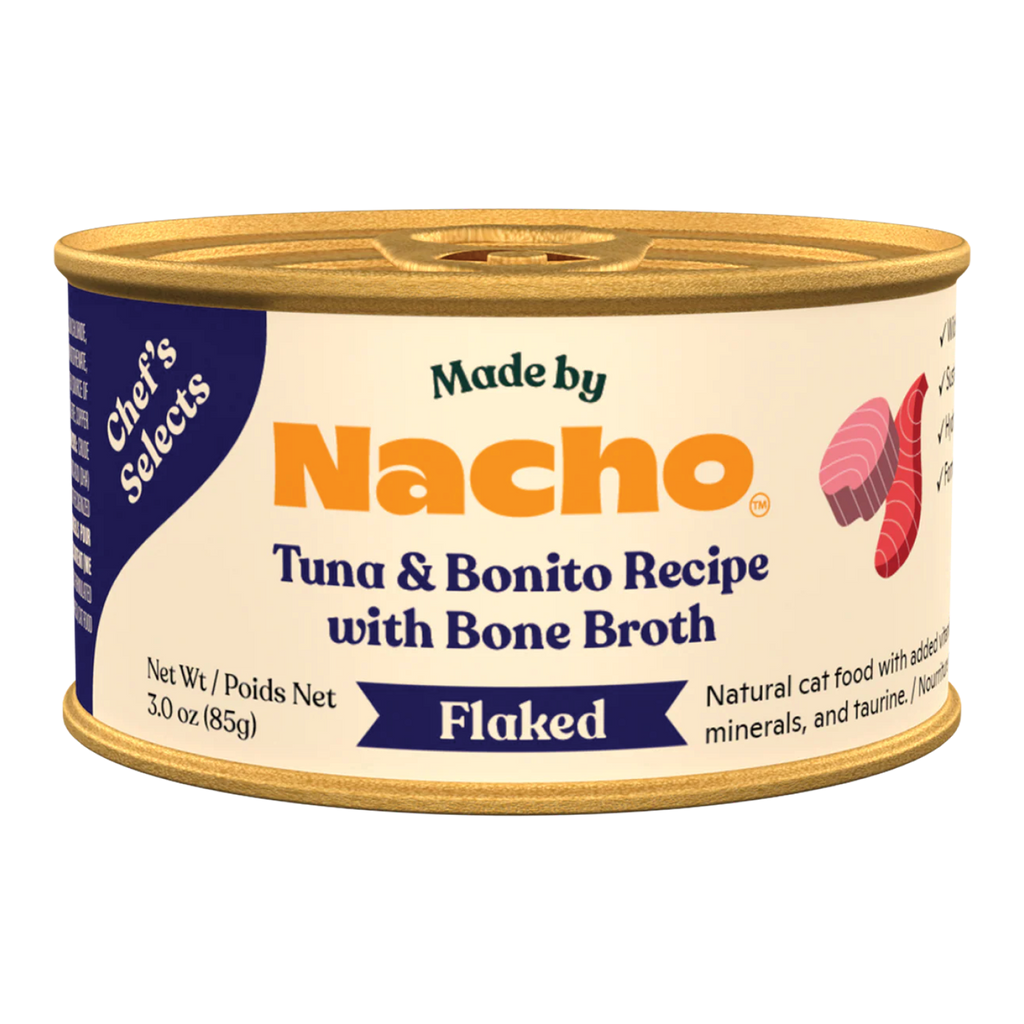
6. QR Codes and Batch Traceability Are Becoming Trust Entry Points
Pet food consumers are paying more attention to product transparency.
Claims such as human-grade ingredients, organic formulas, low-allergen recipes, animal welfare, functional nutrition, freeze-dried quality, imported ingredients, and clean-label formulas all require explanation. But the front of the package has limited space.
That is why QR codes, digital IDs, batch codes, and smart packaging tools are becoming more important.
Pet Food Processing reported that serialized watermarks, QR codes, and DataMatrix codes offer a low-cost and scalable path to digitization for consumer engagement, traceability, quality assurance, and recall readiness. It also noted that RFID, NFC, and time-temperature indicators can support logistics visibility, cold-chain integrity, and product quality communication.
What This Means for Packaging Buyers
A QR code should not simply link to the homepage.
It should provide real value, such as:
- Ingredient origin
- Batch information
- Feeding guide
- Storage instructions
- Test reports
- Product certification
- Recall information
- Reorder page
- Brand story
- Sustainability explanation
Packaging surfaces should leave enough room for codes, batch numbers, multilingual labels, and regulatory information.
This is especially important for:
- Functional pet food
- Freeze-dried pet food
- Fresh and refrigerated pet food
- Premium kibble
- Imported pet food
- Pet supplements
- High-value treats
JM Packaging can support containers with label-friendly surfaces, including plastic jars and bottles, plastic buckets and pails, and food containers that leave space for QR codes, batch labels, product instructions, and customized branding.
Traceability turns “trust” from a claim into a verifiable experience.
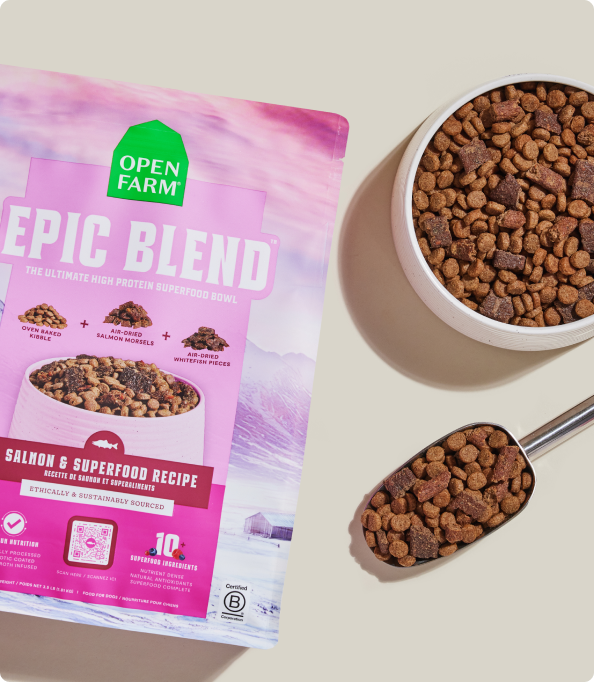
7. Resealing and Home Storage Are Becoming Repeat-Purchase Factors
Pet food packaging is used repeatedly.
A bag of kibble may be opened for several weeks. A jar of treats may be opened daily. A fresh pet food package may move between the refrigerator and feeding bowl many times. A topper may be poured, capped, and stored again after every use.
Consumers may forget an advertisement, but they will remember whether the package is easy to open, reseal, pour, carry, and store.
That makes daily usability a major repeat-purchase factor.
What This Means for Packaging Buyers
Brands should evaluate packaging by asking:
- Is it easy to open?
- Can it be resealed after opening?
- Does it prevent moisture or odor transfer?
- Is it easy to pour without spilling?
- Is it suitable for pantry or refrigerator storage?
- Can consumers carry it easily?
- Does it stay clean after repeated use?
For bulk dry pet food, treats, freeze-dried products, powders, and ingredients, rigid containers can improve the storage experience. JM Packaging’s 2 Gallon Food Grade Plastic Bucket includes a matching lid and handle, helping protect contents during storage, handling, and transportation.
For larger B2B supply, the 5 Gallon Plastic Pail with Tamper Evident Lid is designed for secure storage, filling, and transportation, with a tamper-evident lid that helps protect product safety, freshness, and quality during storage or shipment.
For pet food brands, the real repeat-purchase experience often happens at home — every time the customer opens the package.
Packaging Checklist for Overseas Pet Food Brands
Before selecting packaging for overseas pet food markets, brands should not only ask whether the package looks good.
They should ask these eight questions:
- What is the product most sensitive to?
Moisture, oxygen, temperature, pressure, light, odor, or leakage? - What is the main sales channel?
Offline retail, e-commerce, DTC subscription, cross-border distribution, or wholesale? - How long will consumers use the product after opening?
One feeding, one week, several weeks, or longer? - Does the package need resealing or portion control?
This is critical for dry food, treats, toppers, and fresh food. - Does the package need to prove ingredient safety or origin?
Premium pet food needs packaging space for QR codes, labels, claims, and batch tracking. - Will the brand expand into multiple product formats?
Dry food, wet food, toppers, freeze-dried products, treats, fresh food, and supplements may need a packaging family. - Has the packaging been tested for real logistics conditions?
Drop, compression, vibration, leakage, and seal strength should be tested early. - Is the sustainable packaging solution practical in the target market?
Recyclability must be matched with local recycling infrastructure and production feasibility.
How JM Packaging Supports Pet Food Packaging Projects
Pet food packaging is no longer a single-container decision. It is a complete system that connects product protection, branding, logistics, storage, trust, and repeat purchase.
JM Packaging supports overseas buyers with one-stop packaging options across:
- Plastic Buckets & Pails
- Plastic Food Containers
- Plastic Jars & Bottles
- Paper & Carton Packaging
- Logistics Packaging
- Food Packaging Solutions
- Export-ready custom packaging support
Our packaging products can be used for:
- Dry pet food
- Pet treats
- Freeze-dried pet food
- Pet supplements
- Functional powders
- Wet food ingredients
- Fresh food supply
- Bulk pet food storage
- Wholesale and OEM pet food packaging
Whether you need a food-grade container for pet treats, a tamper-evident pail for bulk pet food ingredients, a plastic jar for pet supplements, or a complete packaging solution for export distribution, JM Packaging can help you choose the right structure for your product, sales channel, and target market.
Looking for reliable pet food packaging for your overseas market? Contact JM Packaging to discuss your product type, order quantity, packaging size, labeling requirements, and export destination.
Sources & Further Reading
- Petfood Industry, “Pet food packaging trends point to fresh, flexible, functional formats”
- Printpack, “4 Pet Food Packaging Trends Shaping 2026”
- Printpack, “Pet Care Packaging”
- Greiner Packaging, “4 Pet-Food Packaging Trends You Should Be Aware Of in 2026”
- Pet Food Processing, “Playing it smart with intelligent packaging”
- Open Farm Transparency Page
- Freshpet, “The Most Important Things To Look For on Pet Food Packaging”
- Made by Nacho, “Flaked Tuna & Bonito”
- Made by Nacho, “Lickable Mousse Treats Variety Pack”
- Made by Nacho, “Cage-Free Chicken Bone Broth Topper”
- Packaging World, “Dog Food Carton is ‘Easy Like a Sunday Morning’”